
Key differences between various PPT presentation types and how to use them to your advantage
There are number of presentations which can be designed by any company and unfortunately due to limited exposure, most company just think of corporate presentation or product presentation. Ironically, many people are not aware the mere difference between corporate deck and product deck.
By reading this blog you will come to know about availability of different presentation types to be used for particular purpose.
- Where to use which type of presentation
- Various applications of presentation
- Difference between corporate deck & Product deck or company presentation & service presentation
- What should each presentation type ideally contain?
.and yes, don’t confuse with “presentation formats” with “type of presentation”
Why even care about presentation
Reading something long or too much does not suit people today. It is quite ironical to state such a line in the start of a blog, but nevertheless it is true, and this goes for regular people on the road to the savvy professionals in board room. Hence, if you are thinking to include all the information about your company’s product, services, team, mission, vision etc in your next presentation, then it could be bad for you and VERY BORING for them, the audience.

What exactly do you need, or how do you identify your needs for the next presentation you have? To answer this question, ask yourself the questions below:
What is the end need of your customer & it’s impact on choosing right presentation type?

Are you an NGO who is trying to pitch Coca Cola for donations under CSR? Are you a start-up who is presenting itself to sell its business to a blue-chip? Different scenarios demand different types of PowerPoint presentation, you simply cannot slide your communication the same way to both the cases mentioned above. One is there for finding your work to be eligible enough for their CSR donations, another one is there to officially take over your business by paying you for it. UNDERSTSTANDING THE NEED is the FIRST and MOST ESSENTIAL to start with.
What is the understanding level of the audience you are presenting to and find right type of presentation according to that?
Let’s say you are presenting to the Tech team of Microsoft, there is no doubt with their familiarity to technical jargons like NodeJS or API. Unlike this, you should not be using the same terminologies in your presentation if you’re presenting to the Marketing or Executive team.
How deep do you need to dive & what type of presentation is suitable for that?
Sometimes only surface level of information is required to be known and shown, whereas other times demand to go as deep as the bedrock. While keeping in mind the last question, you should work on this aspect of the presentation.
What would be the channel of your presentation?
Namely there are three:
- Physical
- Web
The first one is the most famous one as we know, the Ted Talk Style. The second one has become quite known since the pandemic, as people got familiar with Zoom Webinars. The third one is simply an attachment in your mail, and is absolutely devoid from any physical presenter. The viewer itself has the control to slides over here. And all of these modes require different mindset of preparation for each.
After concluding with these basic questions related to presenting a pitch deck, let us see few presentation types which are specifically structured for specific needs.
Let’s start with CORPORATE DECK,
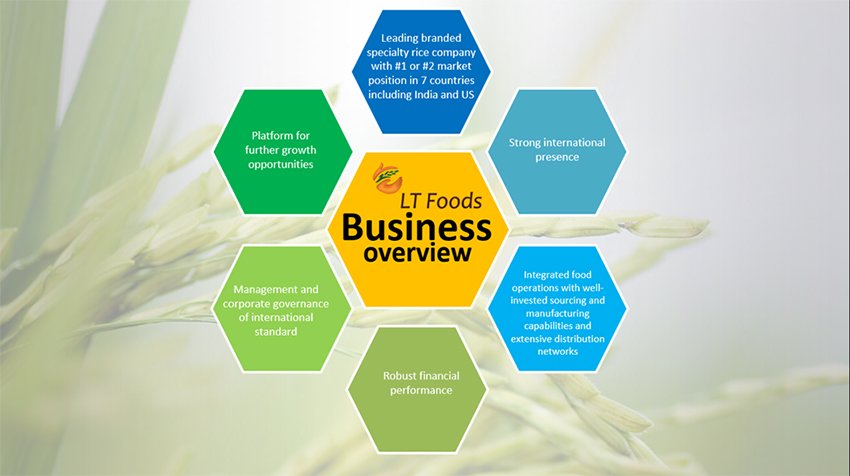
So, the first question should be, what is a Corporate Deck? And when it should be used?
A Corporate Deck is a form of professional presentation, which gives out the overview of a company to the audience. The details include the mission and vision of their company, their current structure, and what they are looking in context of their future prospects. The CSR projects undertaken by the firm also deserves a dedicated slide in this presentation. Corporate deck can be used for various purposes, like to showcase your firm to potential investors, to give a presentation to media and many times used for collaboration
And these are the Components of Corporate Deck, learning which could make your chances brighter
- Mission/Vision: This point is nothing new to be known as it is one of the staples of corporate presentations. In its essence it means, why is your firm here, and what does its eyes. Include a slide for mission & vision
- Management: The ‘Top Who’ population of your company should be mentioned in this section. And presenting this ppt slide gives an idea about the company’s foundation as well as future.
- CSR: The social benefits which your firm has been able to give to the society should be included in this slide.
- Some part of offering: This section contains details about your products and services. The thing for the giving of which your company is existing. It must not be in depth as it is not a product or service presentation, mere mention of product or service is sufficient
- Market Capitalisation and Quarterly Earnings: Your company’s monetary worth and the cash it has been able to generate, should be displayed in this segment.
- Employee Benefits: The workforce of any company is the backbone of it, the scoop of benefits which your company is giving them them should be presented in this section. You can include things like insurance, transportation allowance, parental leave etc over here.
- Awards and Recognitions: Recognised valuable achievements made by your company should be added here. It could be an award, a rating or any other worthy recognition.
Next ball in the basket is about SERVICE/PRODUCT DECK, which is also known as SALES DECK.
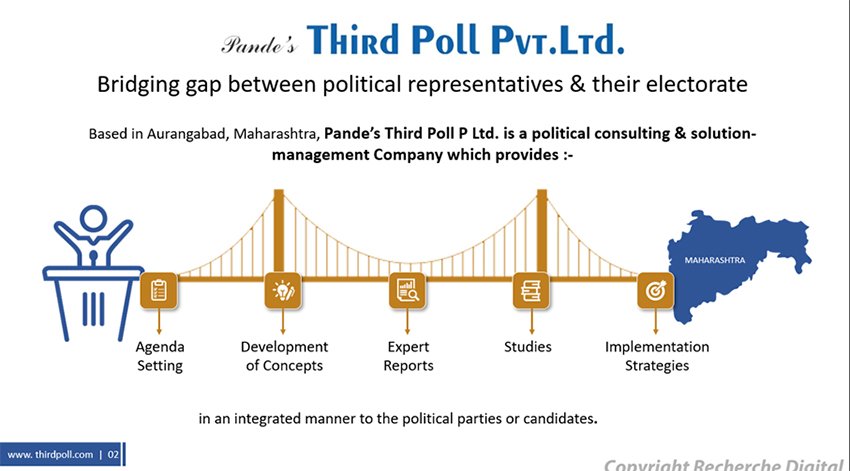
As the name suggests, sales presentation is made to explain, elaborate or pitch about a product or service. It could be directly made to the clients if you are selling a B2B product/service. And if your product’s end consumers are normal public and you are selling it first to a corporate who will sell it in the public market, then your pitch should be modified to show how your product would suit the end consumer, and your client’s business as well.
Jot down the points below to INCREASE the CHANCES of securing an agreement in your NEXT presentation,
- Product/Service: The most basic of all to be mentioned in a sales pitch. Fill this slide by elucidating about the features of your product.
- Offering and Application: What is the ‘value’ that your product is offering to your client/consumer. Also, the applicability and usage process of the product is to be explained right here.
- Benefits: Anyways, no one is going to spend their money on your product if it doesn’t benefit them in one or the other way. Show here that what BENEFIT it offers.
- USPs: Unique selling Proposition is the crucial slide which explains your target audience why your company or product should be preferred then others
- Customer Testimony: If you have any of the reviews from your client/customers related to this product/service, include it here.
- About Company: The usual whereabouts of the company you are standing here for. Try not to make it retarded or boring. Remember this presentation is not about the company but product and just mention few things or a slide or two would be sufficient in sales deck
- About the Team: Whosever is there behind working to make your company a reality, should be included here. The Founders, Management, Technical Team, and other members, if possible. Again, keep it limited to one or two slides at the most.
- How to Contact/Contact Us: Let them know how to reach you. If you are an online company give link back to product on your website or e commerce website like amazon
Next contestant is, EDUCATIONAL/TRAINING or APPLICATION DECK
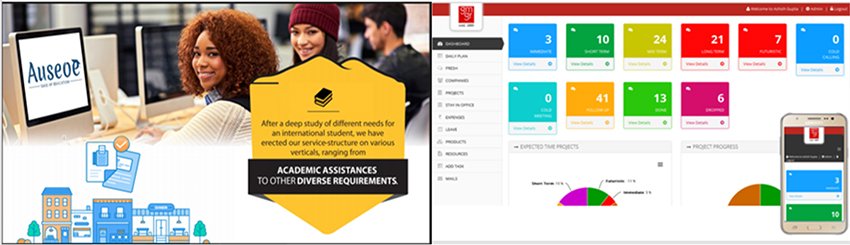
The intention behind this sort of PowerPoint presentation is to train or educate a certain set of audience about a certain thing. It could be used for employee training, college education etc. The format below may help you to frame a presentation for any of such requirements.
- Subject Introduction: ‘Sex Education’, ‘How to maintain sober behaviour in office premise?’ etc are the types of presentation introductions which need to be put in this place.
- Problem Statement: Why is the learning of the thing required which you are trying to teach? Explain the seed of that REASON here.
- Education Slides: Display the information related to the topic in a continuing manner from the last slide.
- Images/Videos to explain: Make the presentation more interactive and livelier, by pasting some videos or pictures related to the topic in this slide.
- Relevant links for deeper study: Remember the references section which is there in the last segment of every Wikipedia page, something of that sort. Show material or links which could be further referred to learn more about the topic.
- Application of the Training/Knowledge gained: In this slide, it should be mentioned that what is the applicability of the knowledge gained in this presentation, along with the procedure to do so, wherever possible.
- About Company: Fill this slide with talks about the What’s, Why’s, and How’s of your firm.
- About Team: Not everybody could be present there with you during presentation, but there is a lot of people’s work behind the story portrayed via your presentation, so simply mention them here.
- How to Contact: You might be happy to hear back from the audience, notify here how they can reach you.
The next name on the list consists of PITCH DECK. Funding round is something which clicks the brain when a professional hears ‘Pitch Deck’, but pitch deck is not solely meant for securing funding, they are also used for pitching potential customers, partners and co-founders. This sort of pitching resembles the types of sales deck and corporate deck, but is not limited to the applicability of those two.
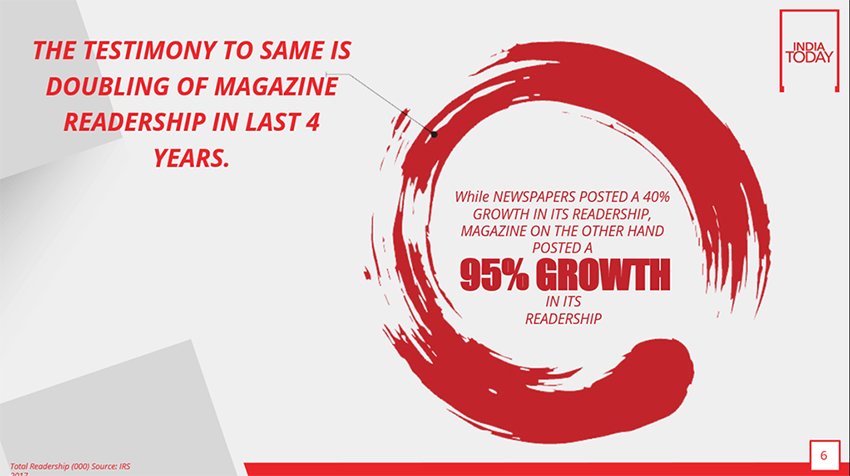
See the format of pitch deck and try to find how it’s unique;
- Introduction: This slide does not necessarily need to be about the company or product/service. You can use this opportunity to grab the attention of your audience in the context of your presentation’s mindset.
- The Hook: Use the attention you have made in the first slide, and even if you have given a normal introduction in previous slide, use the benefit of attention that people have in the start and hook them with your presentation. You may use an unexpected statement, picture or sound for it.
- The Solution: Now that you have grabbed the eyeballs towards the problem you are trying to give solution to, give the solution right here.
- The Market: How is your solution relevant or needed in the market? Or What is the current market scenario, just explain it.
- The Competition: If there is any, mention about them here.
- Differentiation: How is you product/service or company different from your competitors, explain it here.
- Business Model: The idea of your business, on which it is supposed to survive and thrive.
- The Team: Mention the portfolio of your firm’s team. You may notify about their contributions, idea and achievements yet.
- The Request: The main motive of your presentation trickles down to this last slide, be it sales, funding, collaboration or anything else, give the all you have in this slide.
The next in the line is BOAA1 SlidesROOM PRESENTATIONS FOR YEARLY/QUARTERLY RESULTS. Actually, there are two ways to give this form of presentation:
- Theme based Presentation &
- Simple Presentation
Let’s first see the points about THEME BASED PRESENTATION-

- Give a relevant fun theme to the boardroom PowerPoint presentation: This stage is about giving an emotion, a visual emotion to the presentation. Like the results could be presented in form of a roller coaster ride or for example- A pharma company could give Corona theme to their 2020-21 results PPT presentation.
- Introduce team members as per theme or title: Don’t make it boring by saying, our MD Mr. John Smith, you may call him the Odin/Hokage of your XYZ Ltd.
- Share heroic images of team member/s with their contribution: Make the presentation fun by doing things like, morphing team member’s face over characters like Superman or Captain America. You may try something else too, it is all left to imagination and relevance.
- Showcase challenges faced and dramatic overcome: Display the hardships of the year in, as accurately dramatic manner as possible, along with the process of getting out of it.
- Targets for next month: ‘So now when we have accomplished it, What’s Next?’ Answer this question here.
- Summarisation & Thankyou: Wrap up the PPT and acknowledge the audience by thanking them through Thank You Slide.
Now simply go through the SIMPLE PRESENTATION:

- Company logo and relevant subject: Insert the company’s logo to the first slide along with the subject title of your presentation.
- Target: Mention and describe about the target/s, which were decided before the quarter/year started.
- Challenges: Mention the challenges that were already ought to be due to the target, and the ones which came after the target year/quarter started.
- New Quarter/Year Planning: Now the previous year and target is mentioned with their results. Elucidate about the planning for upcoming quarters.
- Head Count: As quarterly or annual presentation to board, it is part of report to share total number of people working for company. These head count increase/ decrease with time or quarter to quarter.
- Key pointers for discussion: Mention the important points which are to be discussed between the board room at that moment.
- Summarisation: Conclude the boardroom presentation by summarising the whole crux of what you have presented.
- Thankyou: Greet the audience/board-members with a Thankyou and end the presentation.
The last man standing in this blog is the DEALER/DISTRIBUTOR MEET PRESENTATION, let’s jump in for the last time.
A Dealer’s Meet is the objective presentation of a company to increase the reach of its products by convincing distributors to distribute their product or service. It is a type of pitch deck, which is B2B in nature.
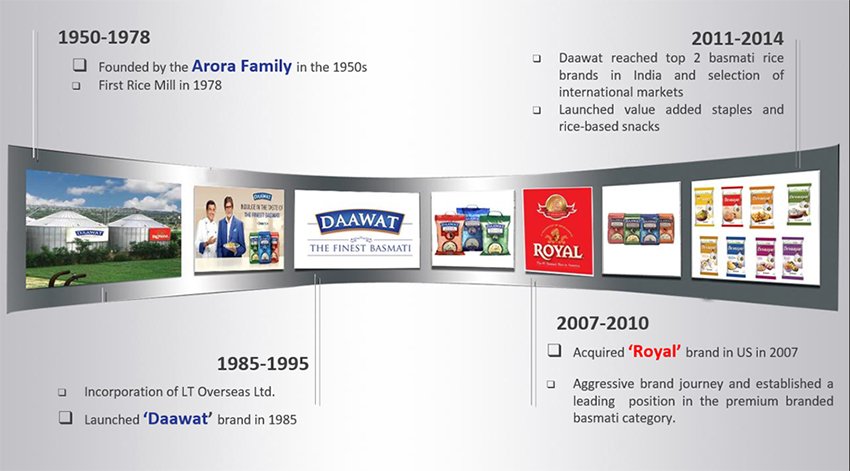
- Company Introduction: Let the dealer know about you, about the background of you and about the business of you.
- Competition: Your competitors, and the products/services of your competitors you are making this presentation for.
- Product/Service: Now introduce your product and explain about it.
- Difference: How is your product different from your competitor, explain things like quality, brand etc.
- Local Market: How is your product apt for the local market, of where the distributors you are pitching to?
- Benefits: Explain the edge which the distributors might have if they distribute your product or prefer it against your competitors.
- Leave contact details and a space for discussion: End the PowerPoint presentation by sharing your contact details and once the presentation ends. Ask for any doubts that anyone has.
- Thank them: Greet them with ‘Thankyou’ for their time, and until they all leave, keep the contact details slide ON.
And this is how you are supposed to learn about 7 types of presentation in nearly 2500 words.
Reach us here if you want to discuss further on the subject, or want to get a new PowerPoint presentation.
|
Corporate Deck |
Educational/Application |
Service/Product Deck |
Pitch Deck |
Boardroom (Theme) | Boardroom (Simple) |
Dist. Deck |
|
|---|---|---|---|---|---|---|---|
|
Mission/Vision |
|||||||
| Management | |||||||
| CSR | |||||||
|
Offering Part |
|||||||
|
Market Cap& Quarter Earning |
|||||||
|
Distributor Deck |
|||||||
|
Employee Benefits |
|||||||
|
Awards |
|||||||
|
Product/Service |
|||||||
|
Benefit |
|||||||
|
USP |
|||||||
|
Customer Testimony/Logo |
|||||||
|
About Company |
|||||||
|
About Team |
|||||||
|
Contact detail |
|||||||
|
Intro |
|||||||
|
Problem Statement |
|||||||
|
Educational Slide |
|||||||
|
Image/Video |
|||||||
|
Relevant Links |
|||||||
|
Knowledge Application |
|||||||
|
The Hook |
|||||||
|
Solution |
|||||||
|
Market |
|||||||
| Competition | |||||||
| Differentiation | |||||||
| Business Model | |||||||
| Request | |||||||
| Give a theme | |||||||
| Make team members heroic | |||||||
| Target | |||||||
| Challenges | |||||||
| Next target | |||||||
| Thankyou | |||||||
| Headcount | |||||||
| Key Pointers to discuss | |||||||
| Local Market |